Moose are among the largest mammals found in North American forests and wetlands, and their size and strength make them a formidable presence on any trail. Encounters can occur suddenly, especially in areas where human activity overlaps with moose habitat. Understanding how to respond in these moments is important for both personal safety and the well-being of the animal.
Unlike many other wildlife species, moose do not always flee when they sense humans. Their behavior can be influenced by factors such as the season, the presence of calves, or previous interactions with people. This inherent unpredictability means that hikers need to be prepared to adapt their actions based on the specific circumstances of each encounter.
The following sections provide informational guidelines based on general wildlife behavior patterns and expert observations. No single approach applies to every situation, and outcomes depend on a variety of environmental and behavioral factors. The focus here is on increasing awareness and offering context for making informed decisions on the trail.
Understanding Moose Behavior in the Wild
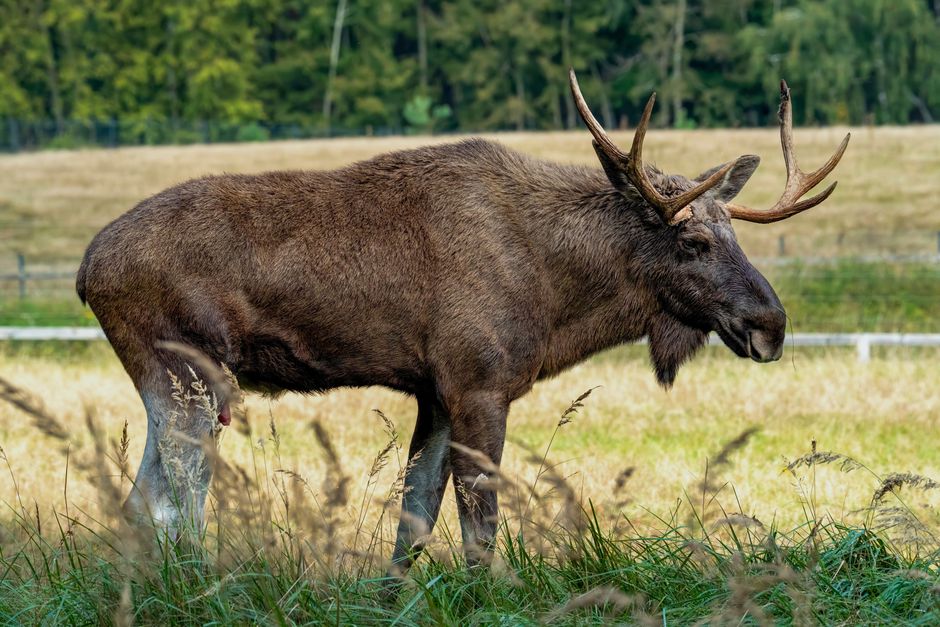
Moose are generally not aggressive toward humans, but they can become defensive when they feel threatened, cornered, or startled. During certain times of the year, their tolerance for human presence decreases significantly. In the fall, for example, male moose (bulls) enter the rutting season, a period when they are focused on mating and may perceive humans as competitors. During late spring and early summer, female moose (cows) are highly protective of their newborn calves and may react swiftly to any perceived threat.
Another important behavioral factor is the presence of dogs. Moose often view canines as predators, and a dog’s movement or barking can trigger a defensive charge. Hikers walking with dogs should be especially cautious in moose habitat. Recognizing that moose behavior is context-dependent helps trail users anticipate possible reactions and plan their movements accordingly.
Recognizing Warning Signs of Agitation
Moose typically provide clear visual cues before they become aggressive. One of the most noticeable signs is the flattening of the ears against the head—a posture that indicates the animal is on alert. Another key signal is the raising of the hackles, or the hairs along the neck and back, which makes the moose appear larger. Snorting, stomping the front feet, and lowering the head are additional indicators that the animal is feeling uneasy.
When these warning signs appear, the moose is communicating that its personal space has been compromised. Observing these behaviors early can give a hiker time to create more distance or alter their route. It is important to note that not all moose exhibit the same signals; some may charge without obvious warning, particularly if they are surprised at close range. Therefore, maintaining a general awareness of the animal’s body language is valuable in assessing the situation.
Maintaining a Safe Distance and Respecting Escape Routes
Wildlife experts often recommend keeping at least 50 to 100 feet between a human and a moose. This distance provides the animal with enough space to feel secure and reduces the likelihood of a defensive response. If a moose appears unaware of a hiker’s presence, moving away quietly and slowly is one way to avoid drawing its attention.
Equally important is ensuring that the moose has a clear escape route. Blocking the animal’s path—whether intentionally or accidentally—can escalate the situation. In the case of a cow with a calf, getting between them is especially hazardous. The moose may interpret this as a direct threat to its offspring and react aggressively. Using natural features such as trees, rocks, or slopes can help a person maintain distance while allowing the moose to move away if it chooses.
Responding When a Moose Approaches or Charges
If a moose begins to move toward a hiker, the recommended response is to back away slowly while keeping the animal in view. Sudden movements or loud noises may provoke further agitation. Speaking in a calm, low voice can sometimes help reassure the moose, though this effect varies. Running is not advised, as it may trigger a chase instinct in the animal, which can easily outrun a human.
In the rare event of a charge, finding a large obstacle such as a tree, boulder, or vehicle can provide a barrier. Moose may break off a charge if the target becomes harder to reach. If a person is knocked down, curling into a ball and protecting the head and neck with the arms may reduce injury. These actions are not guaranteed to prevent harm, but they are based on observations of how moose interact with humans in close encounters.
Considering Seasonal and Environmental Factors
Seasonal changes strongly influence moose behavior and the likelihood of encounters. During the fall rut, bulls can be more easily agitated and may approach humans or vehicles without obvious provocation. Similarly, in late spring and early summer, cows with calves are highly defensive and may charge if a person comes within what they consider a threatening distance. Hikers in moose country during these periods should be especially vigilant about scanning trails and avoiding dense thickets where animals might be resting.
Weather and time of day also play a role. Moose are often more active during dawn and dusk, and they may be more unpredictable in low light. On warm days, they might seek shade near trails or water sources. Being aware of these patterns allows trail users to plan hikes during times and in locations where encounters are less likely. Carrying bear spray or other deterrents is sometimes considered, though moose do not always respond to such measures in the same way as bears do.
Post-Encounter Observations and Trail Awareness
After a moose encounter, taking a moment to assess the situation can be useful. If the moose has moved away, continuing on the trail with heightened awareness is generally safe. If the animal remains in the area or displays persistent agitation, choosing an alternate route or waiting for it to leave may be the most prudent option. In cases where a moose exhibits unusually aggressive behavior—such as charging multiple times without apparent reason—reporting the incident to local wildlife management authorities can help track patterns and inform other trail users.
Most moose encounters end without incident, and the animal typically moves on once it no longer feels threatened. By staying calm, respecting the moose’s space, and paying attention to its signals, hikers can navigate these situations with greater confidence. The goal is not to control the outcome but to make choices that reduce the potential for conflict in an unpredictable natural environment.